Protecting Your Neck in Yoga: Beyond the “No Neck Pain” Illusion
As a physical therapist with 30 years of experience and a yoga teacher educator for 25, I’ve seen a growing trend: neck pain among dedicated yoga practitioners. Many believe that yoga inherently protects the neck, but the reality is more nuanced. With our increasingly forward-head posture from daily computer and phone use, combined with certain yoga practices, we can inadvertently put strain on this delicate area.
The Modern Neck Challenge: Our daily lives often put the cervical spine (neck) in a compromised position. In general, there are two main problems when it comes to the cervical spine. The first and most common condition is “Forward Head Posture” found often in those who sit most of the day working at a computer. This posture rounds the shoulders, tightens the chest, and forces the lower cervical spine to flex while the upper cervical spine hyperextends. Over time, this leads to chronic tension, nerve impingement, and even headaches.
In yoga and dance, the enthusiastic effort to “open the chest” can sometimes lead to an overly straightened neck or decreased cervical curve, creating more rigidity instead of healthy mobility. The goal is not a perfectly straight line, but to maintain the natural, healthy curves of the spine.
Key Principles for a Happy Neck in Yoga:
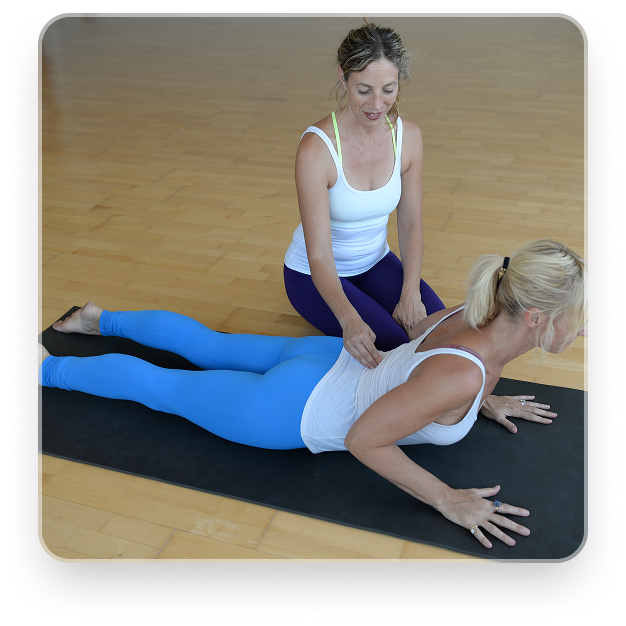
- Maintain Natural Curves: Your cervical spine is designed with a gentle inward curve (lordosis). When practicing, especially in poses meant to lengthen the spine, ensure you’re not flattening this curve or jutting your chin forward.
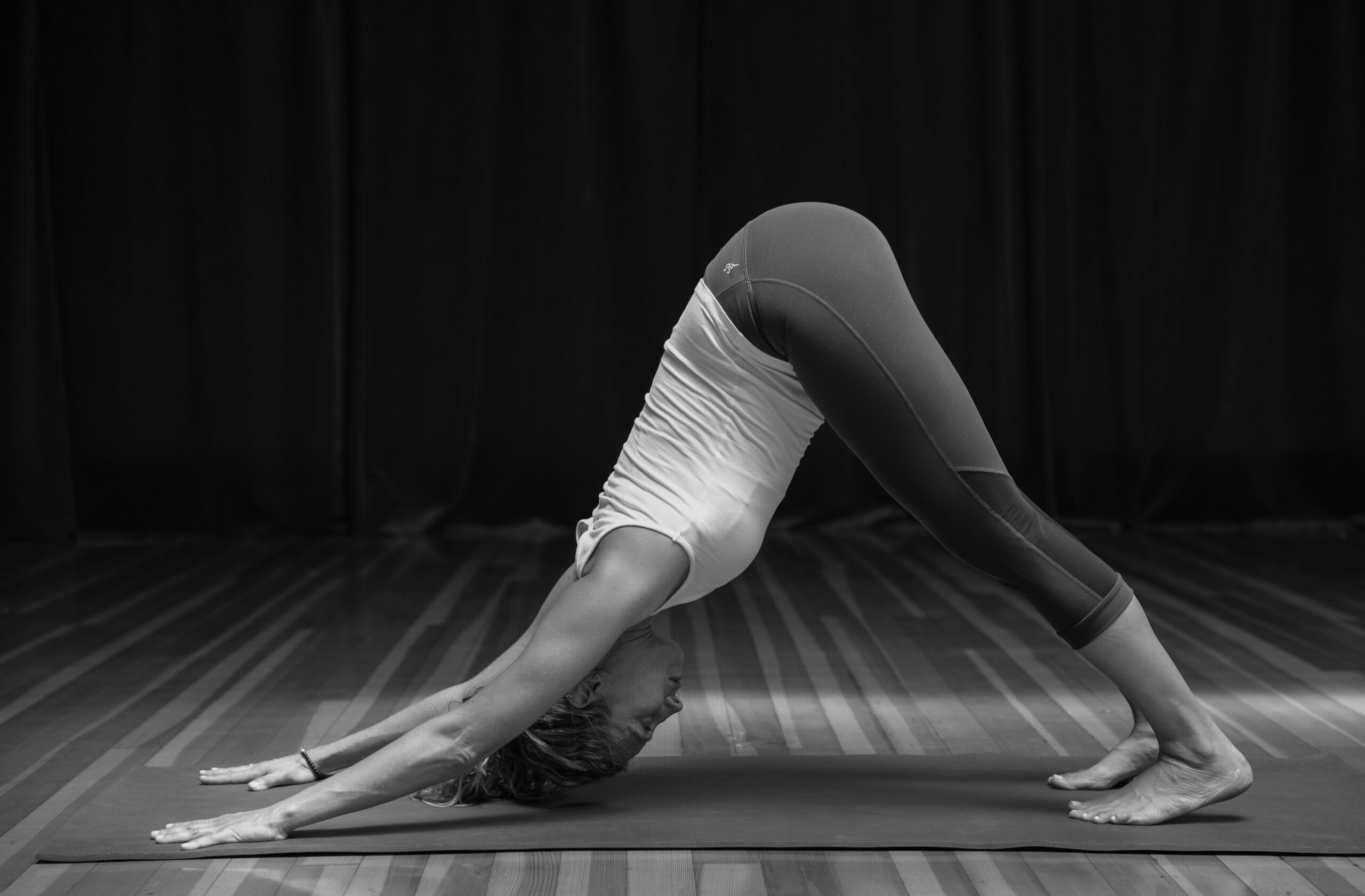
- Shoulder Blade Awareness: The shoulder blades play a crucial role in neck health. Learning to “descend the shoulder blades away from the ears” and “spread the shoulder blades wide” (protraction) activates the muscles that stabilize the scapulae and relieve tension in the upper trapezius and levator scapulae – common culprits for neck pain. Poses like Tadasana (Mountain Pose) and Half Uttanasana (Half Forward Fold) are excellent for this.
- Listen to Your Body’s Wisdom: “Pain is an opportunity to stop, listen and do something different.” This is especially true for the neck. If any pose causes strain, tingling, or discomfort in your neck, it’s a clear signal to modify or back off. Aggressive practice, or pushing to achieve a certain “look” in a pose, can lead to injury.
- Breathe Mindfully: Proper diaphragmatic breathing, reduces overall tension in the body and shifts the nervous system from a “fight or flight” (stress) state to a more relaxed state. Shallow, chest-based breathing often leads to over-reliance on neck and shoulder muscles. Focus on belly breathing to calm your system and support your neck.
- Balance Strength and Ease: Avoid stiffness or rigidity in the neck. Even in poses requiring effort, cultivate “sthira-sukham-asanam” – steadiness and comfort. As you highlight, our tendency to “manufacture tension” can manifest as chronic neck and shoulder pain.
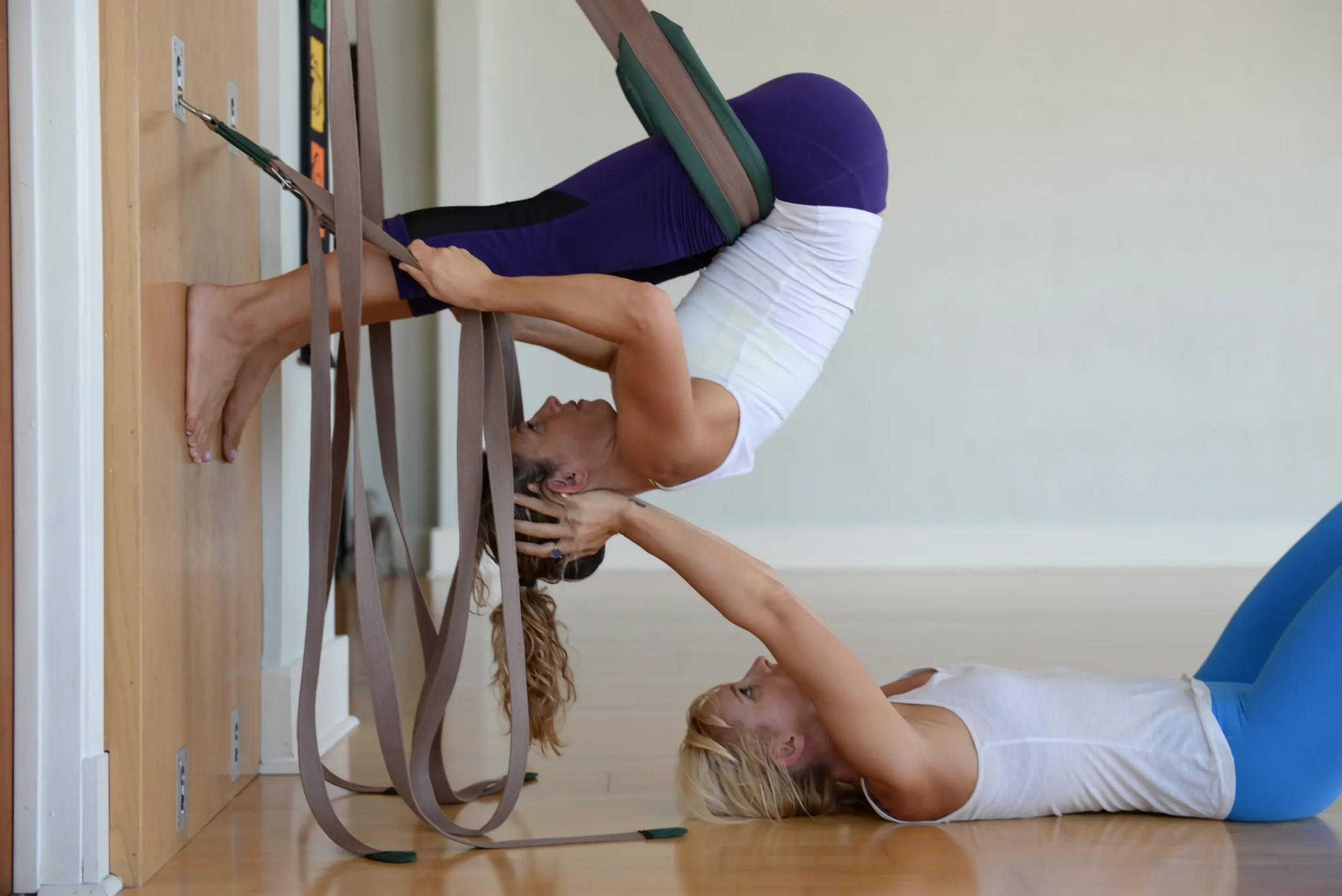
- Use props in Shoulderstand (sarvangasana) and Plough Pose (halasana). These two postures flatten out the cervical spine and can lead to neck pain and injury. When you support the shoulders with blankets, the neck can maintain its natural curve in the pose and causes less strain and tension.
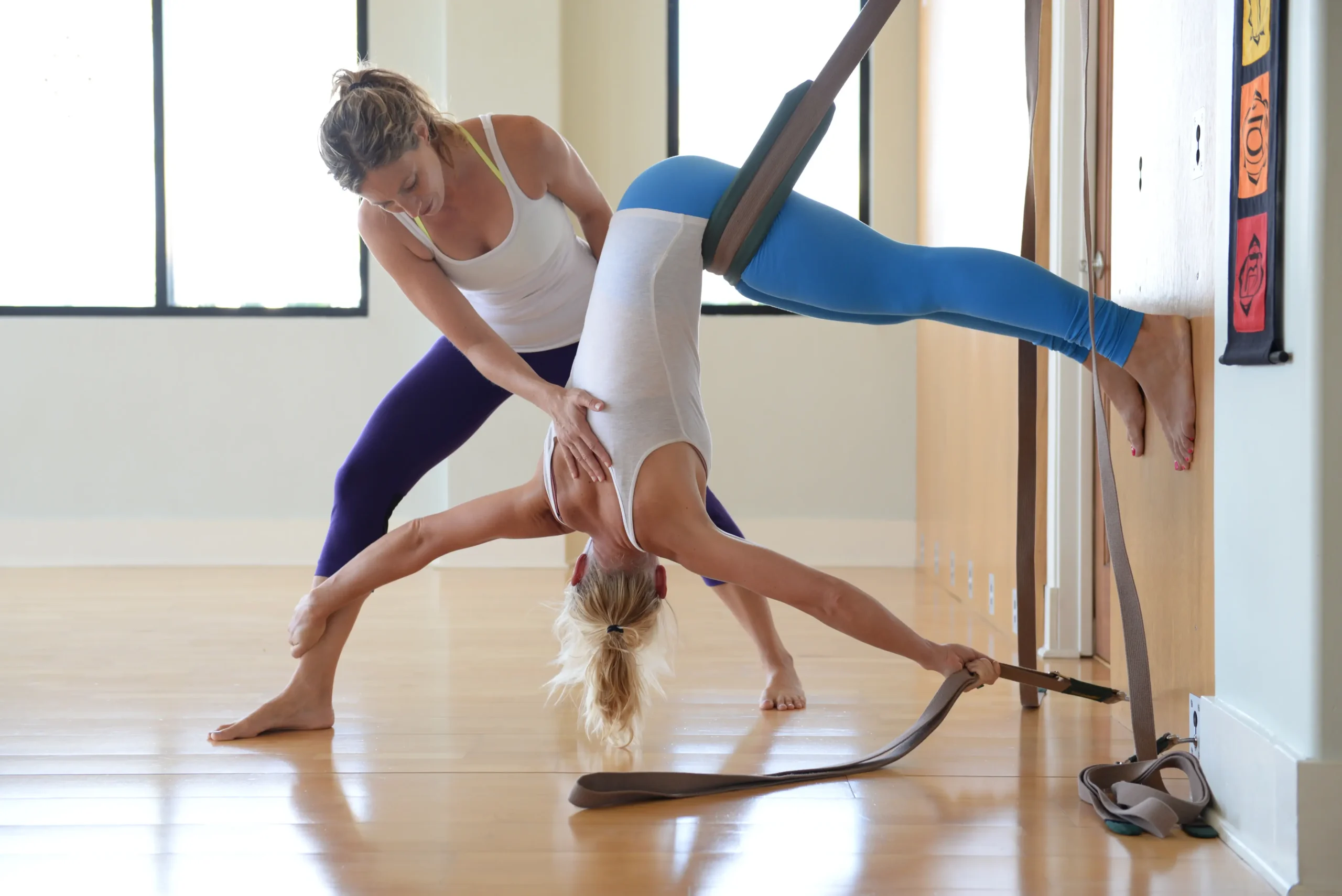
- In Headstand (sirsasana) make sure the pressure is on an area of the head that allows your neck to be in a neutral curve, a natural lordosis. Studying with an experienced teacher who can help you find the “sweet spot” where you can build neck stability and avoid compression is key. Not everyone should bear weight on the crown of the head.
Ultimately, protecting your neck in yoga isn’t about avoiding poses, but about practicing with heightened awareness, respecting your body’s unique alignment, and understanding that less force can often lead to greater healing and long-term health.