After 30 years of physical therapy practice and 25 years teaching yoga trainings, I’ve witnessed a pattern that often goes unrecognized: countless yoga teachers and students experiencing chronic pain due to overstretching. Yes, overstretching.
The paradox for highly flexible individuals is that their bodies don’t provide the same immediate feedback as those with less flexibility. This can lead them to push beyond safe limits, inadvertently overstretching ligaments and destabilizing joints. Two of the most common issues I see in flexible individuals are sacroiliac (SI) joint dysfunction, hamstring tendonitis and rotator cuff tendonitis. These conditions frequently prompt yoga teachers, in particular, to seek out practices that emphasize stability and precise alignment over extreme range of motion.
For those who are hypermobile or naturally very flexible, here are a few key points to consider:
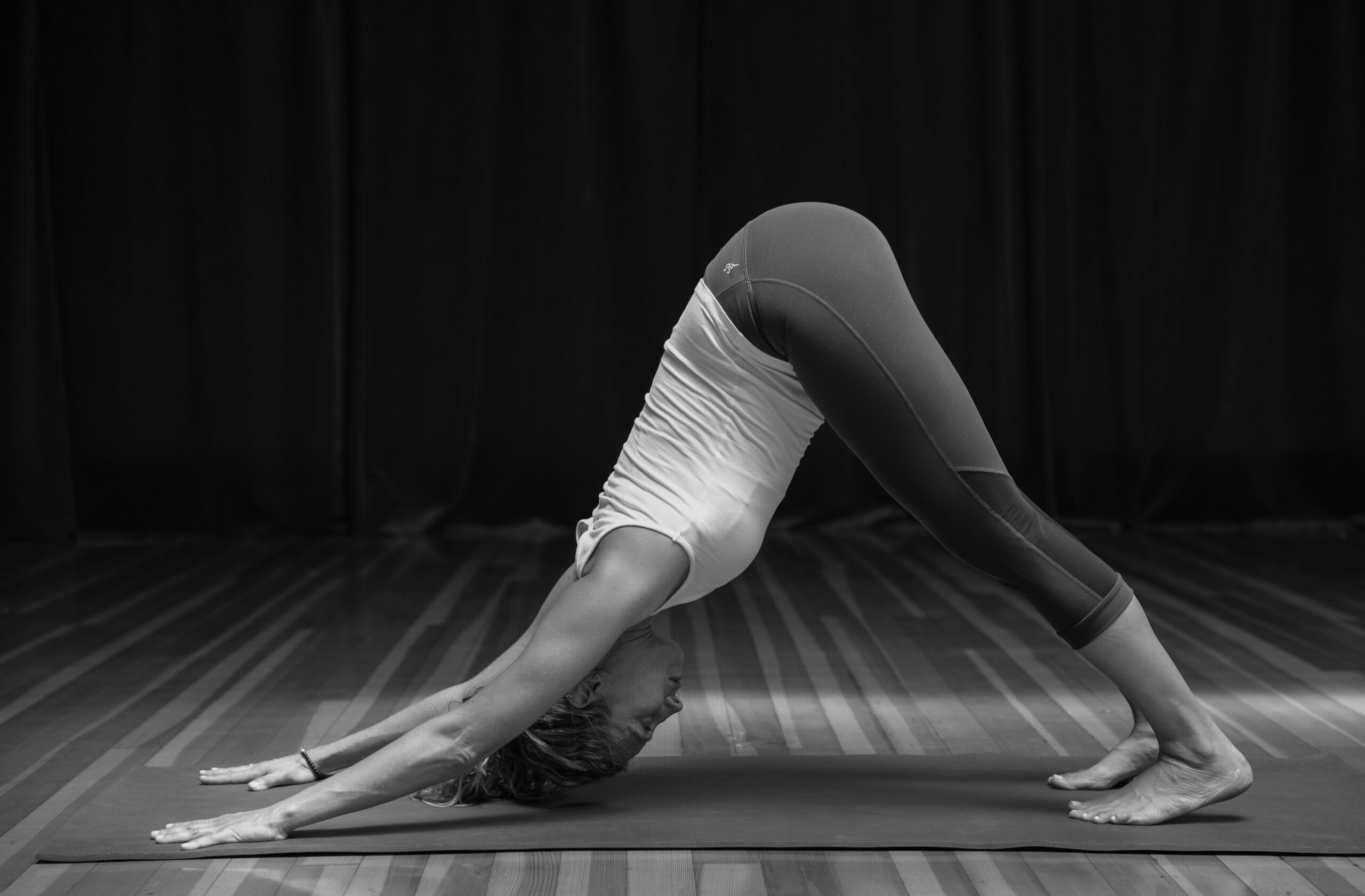
- Redefine “feeling something.” You may need to learn how to practice without chasing a deep stretching sensation. Instead, focus on finding optimal alignment in a pose and building stability within that posture. While this approach can feel less immediately gratifying, it cultivates a more profound, awareness-focused practice—which is truly advanced yoga.
- Seek out stability-focused styles. Practices that emphasize longer holds and meticulous alignment will serve your body better in the long run. Dynamic vinyasa flows with their shorter holds and numerous transitions can sometimes exacerbate issues for hypermobile individuals.
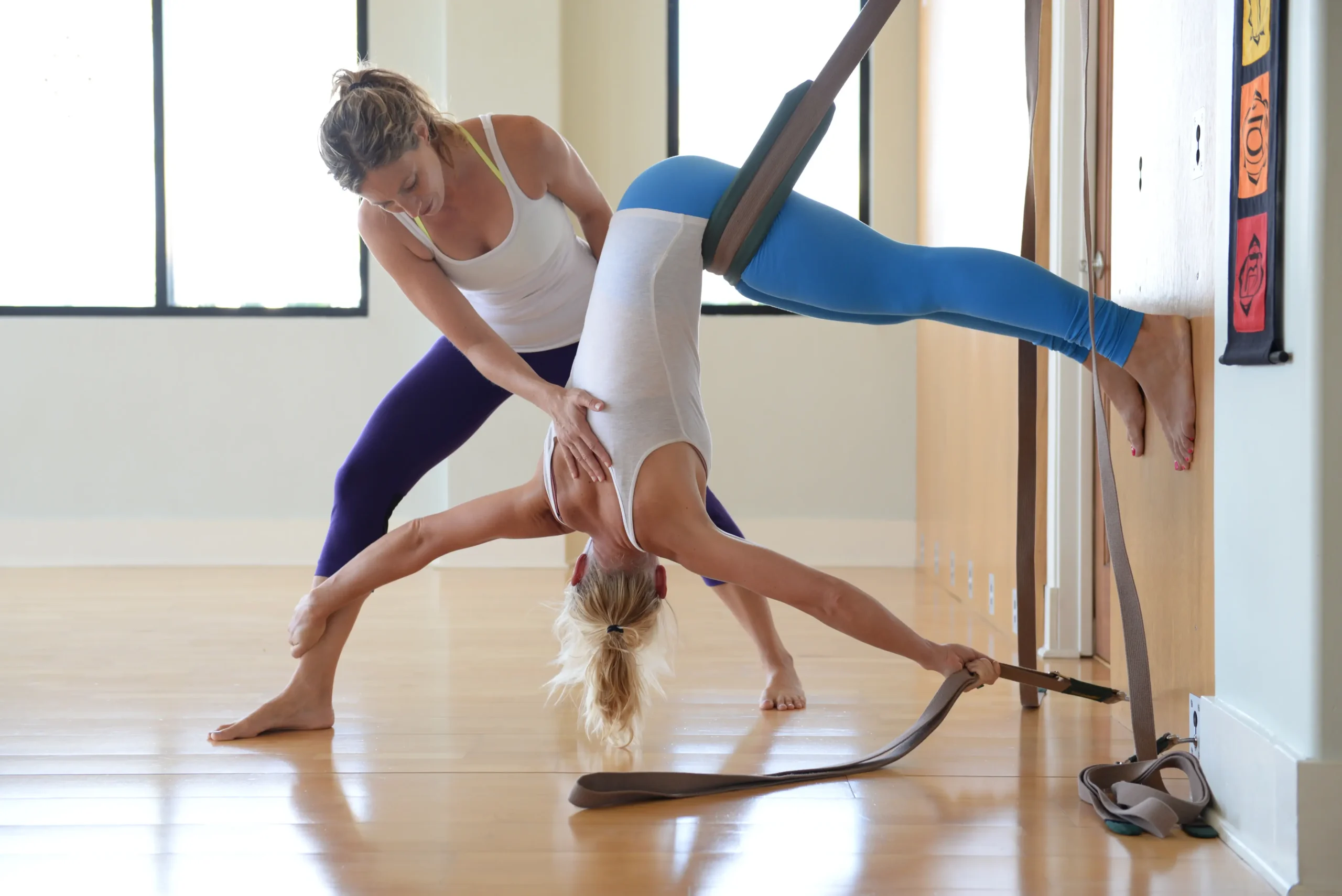
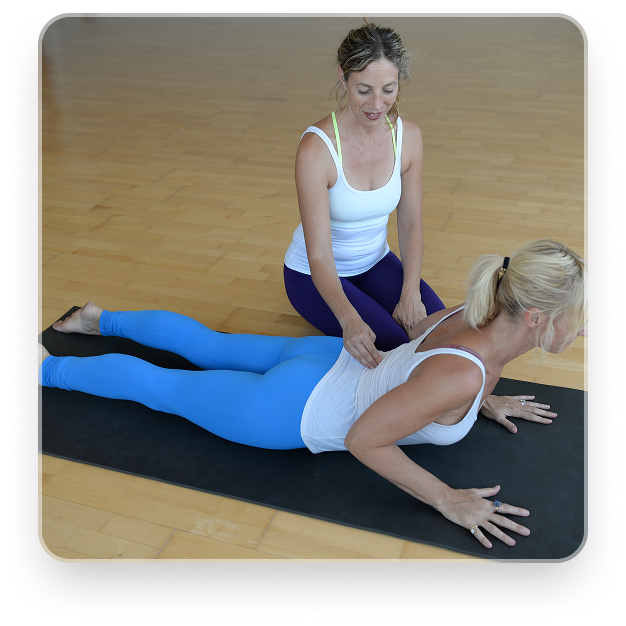
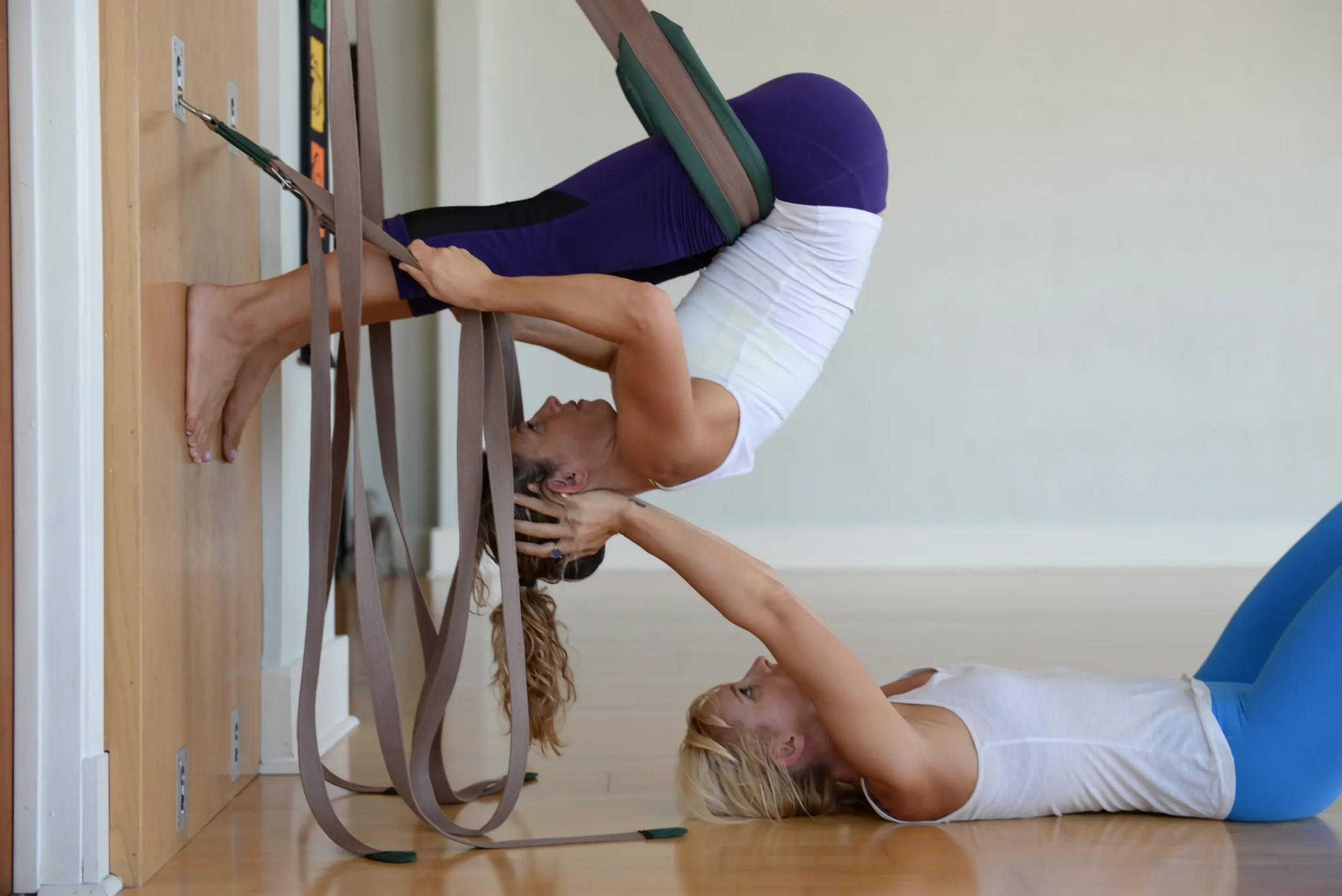
- Understand and shift your patterns. Work with a teacher who has a deep understanding of hypermobility. They can guide you in cultivating muscle strength around joints that might be prone to overstretching. This journey isn’t always easy, but the rewards are immense. Giving up the constant striving for more flexibility and learning to be more sensitive to your body’s true needs can transform your practice and, for teachers, enhance your ability to guide others.